


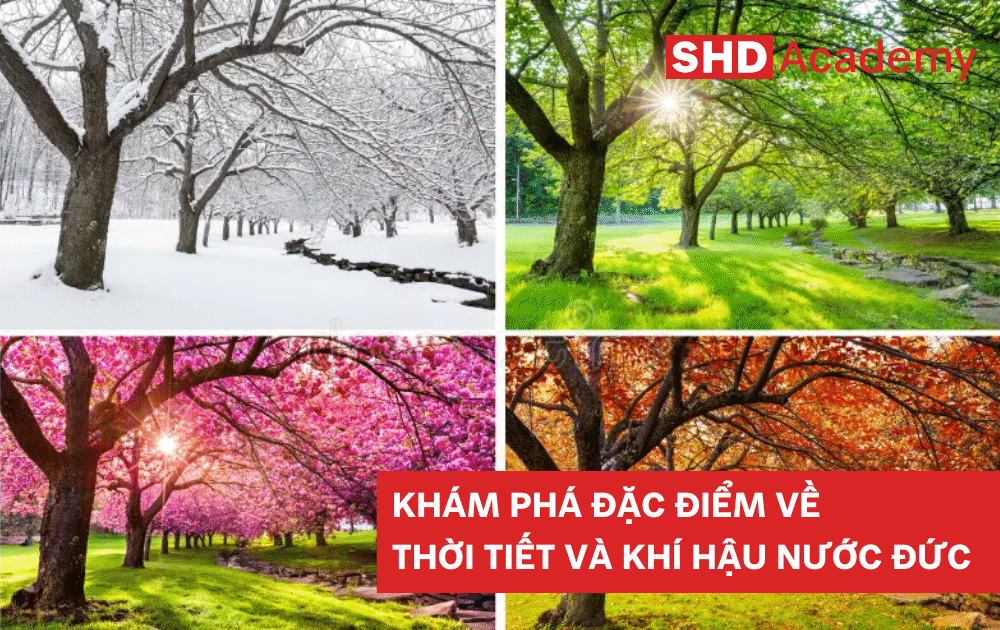
Discover the characteristics of Germany's weather and climate
- 15/05/2025
- Hong Hanh
- Culture
- 2 Comments
Climate is one of the important factors you need to learn carefully before going to Germany to study or work. With four distinct seasons, the weather here can significantly affect your daily life and activities. Therefore, understanding the climate information will help you adapt easily and prepare better for your upcoming plans. Let's SHD Academy explore details about climate of Germany right in the following article!
>> Reference:
- Map of Germany and interesting information about Germany
- Should I study vocational training in Germany? The truth about vocational training in Germany
- What is life like in Germany? Daily life habits of Germans.
General characteristics of Germany's climate
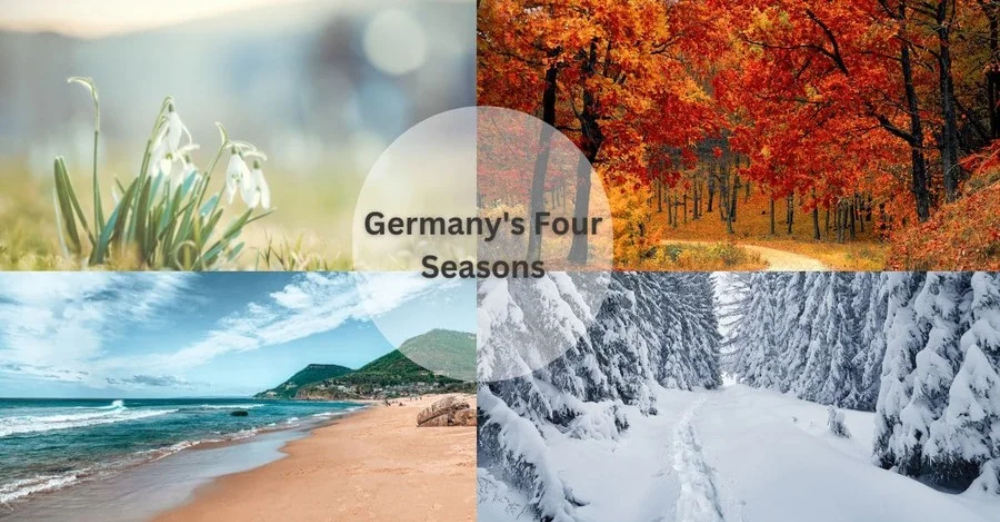
Climate of Germany has a typical temperate climate in Central Europe, with four distinct seasons. Spring lasts from March to May, summer from June to August, autumn from September to November and winter from December to February of the following year. The average annual temperature fluctuates around 9°C, creating a pleasant living environment, suitable for studying, working and living.
A highlight of climate of Germany is regional diversity, specifically:
- The West has a temperate climate, warm summers and frequent rain.
- The North is influenced by the maritime climate, with cool weather year round and coastal storms.
- The southwest has a warm subtropical climate.
- The Southeast has a continental climate, dry, hot in summer and cold, snowy in winter.
In particular, rainfall in Germany is distributed quite evenly throughout the year, not concentrated in a fixed season, creating favorable conditions for agriculture and year-round outdoor activities.
>> Reference:
- 20 Beautiful Sceneries in Germany That You Should Not Miss
- Discover the unique features of traditional German costumes
Weather and climate of Germany by season
Climate of Germany has the characteristics of a temperate climate with the West wind in Central Europe, with four distinct seasons in a year, including spring, summer, autumn, and winter. Each season brings different weather experiences, creating a unique beauty for the landscape and pace of life in this country, specifically as follows:
Spring
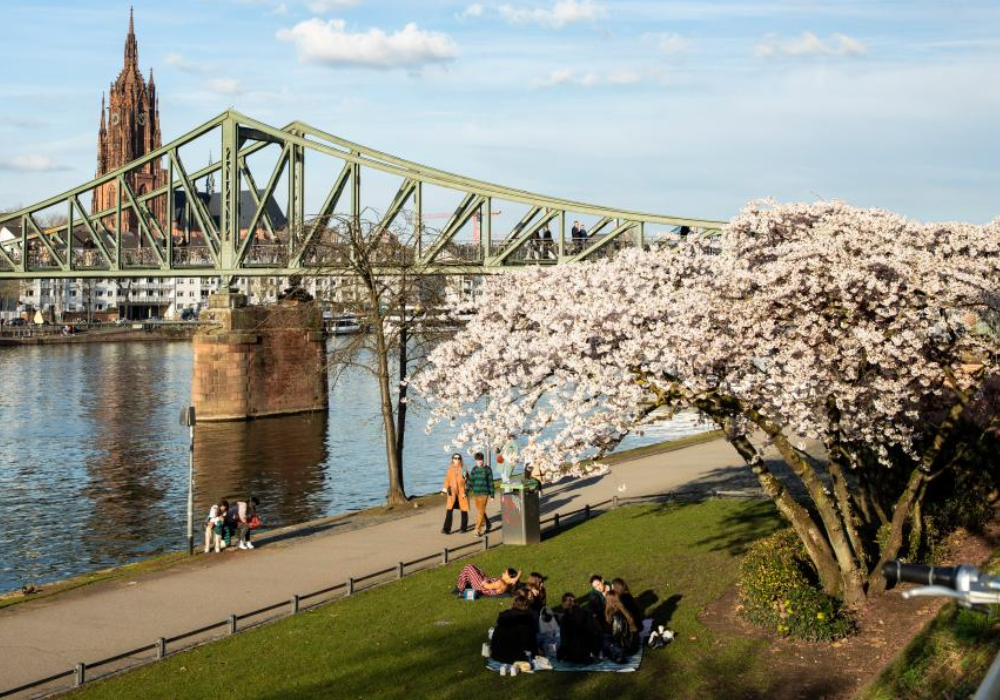
Spring in Germany starts in late March and ends in early June. This is considered the most beautiful season of the year, when the weather starts to warm up after the cold winter. Average temperatures range from 5°C to 20°C, with a clear change between the chilly early season and the pleasant, cool late season.
In spring, trees sprout and flowers bloom brightly in parks and streets, creating a lively and fresh space. This is the ideal time to walk, take photos, participate in flower festivals and explore local culture. However, the weather is also quite erratic, with sudden showers, so international students should bring a light jacket and umbrella.
Typical spring festivals include the Cherry Blossom Festival (Hanami) in April and the Berlinale International Film Festival held in late winter - early spring.
>> Reference: German time and the time difference between Germany and Vietnam
Summer
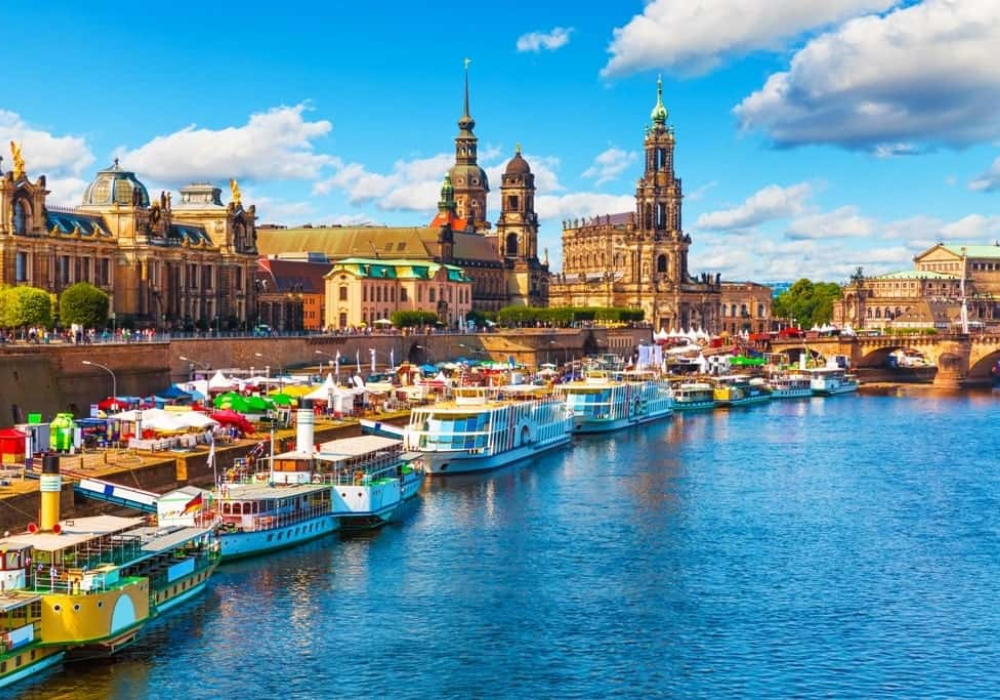
Summer in Germany starts in June and lasts until the end of August. This is the peak tourist season thanks to the warm, sunny weather, lively atmosphere and abundance of outdoor activities. Daytime temperatures range from 15°C to 30°C, although they can occasionally reach 37–40°C during unusual heatwaves. However, the humidity is low so it doesn’t feel too stuffy.
In summer, the sun sets very late – around 9 or 10 pm, it’s still light outside, giving the feeling of longer days and more time for outdoor activities like swimming, picnics, music festivals and barbecues. However, you should also be wary of sudden showers and be fully equipped with sunscreen if you’re going to be outdoors a lot.
>> Reference: German Passport: The Country with the Most Powerful Passport in the World
Autumn
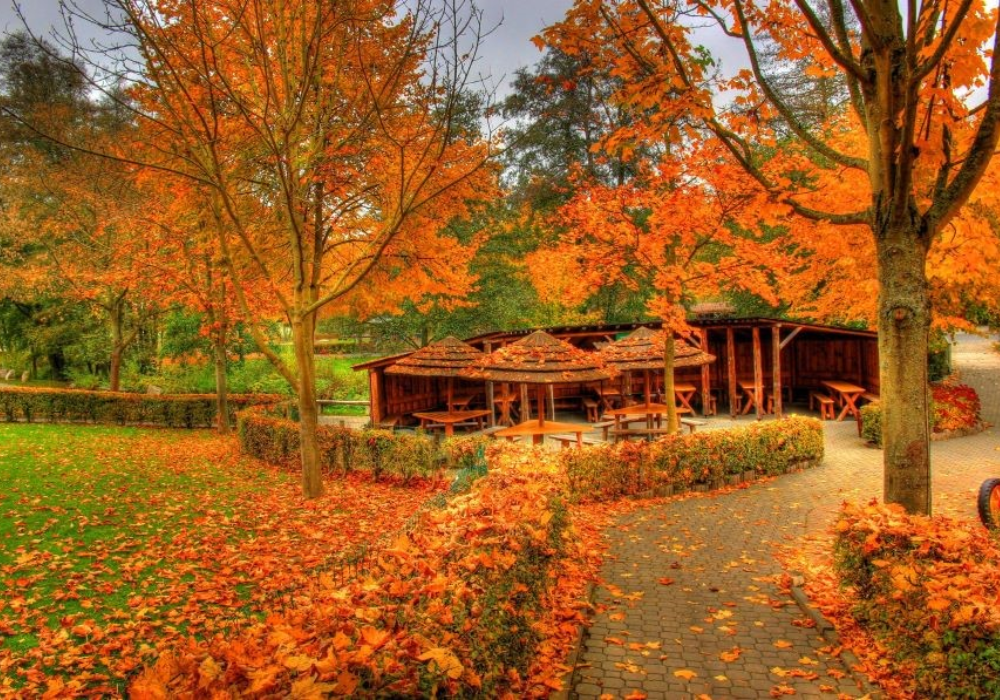
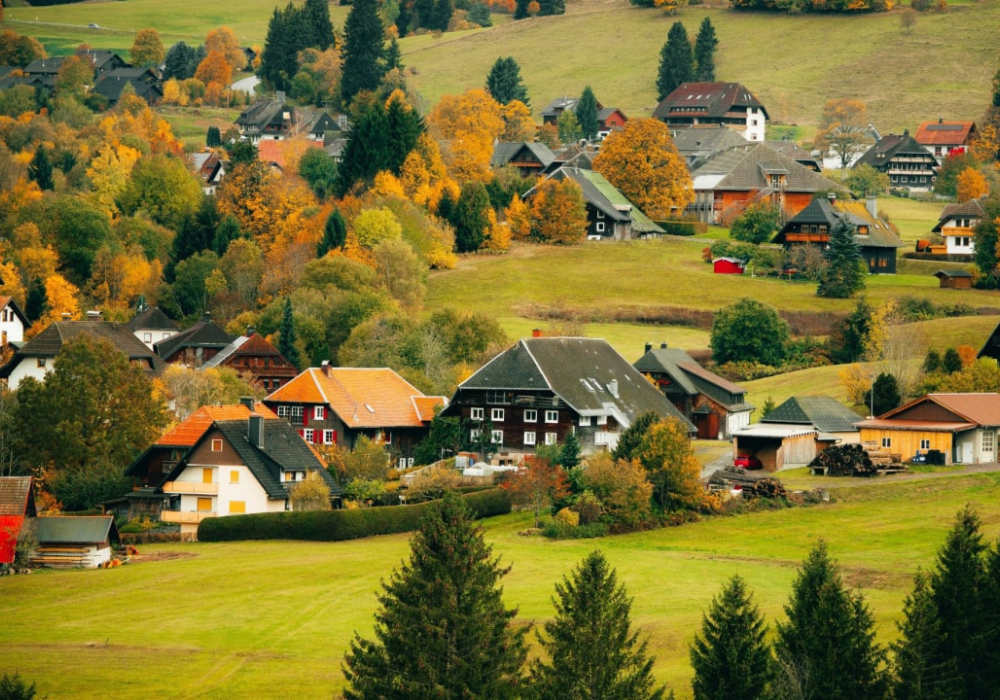
Autumn in Germany lasts from September to the end of November, this is considered the ideal time to enjoy the romantic beauty of nature when the leaves gradually turn yellow, orange and then bright red. The average temperature is around 10°- 20°C, gradually decreasing as the season gets closer to the end.
The weather is cool and dry, suitable for light outdoor activities such as walking, cycling or landscape photography. However, the rainfall starts to increase slightly towards the end of the season, so you should still bring a raincoat or small umbrella when traveling.
Autumn is also the season for agricultural and wine festivals, especially in the countryside and the Rhine Valley – famous for its vineyards and peaceful landscapes.
>> Reference: German currency: Denominations and notes when using
Winter
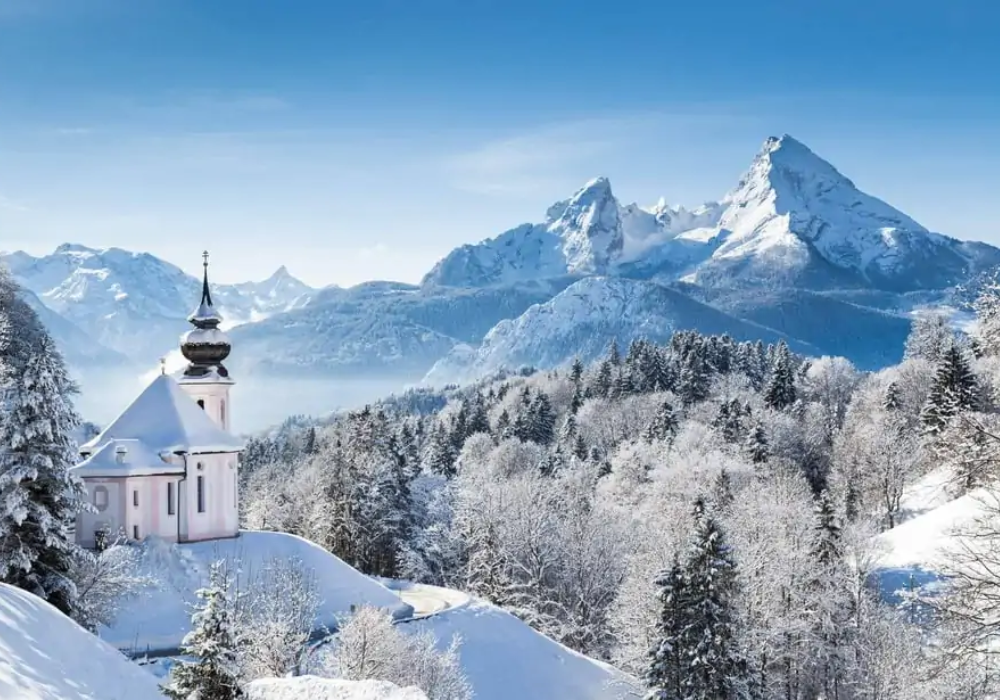
Winter is the longest and coldest season of the year in Germany, lasting from December to March. Climate of Germany This season can be quite harsh for those not used to cold weather, as temperatures range from -5°C to 5°C, and can drop below -10°C in mountainous regions such as the Alps or Harz.
Snowfall is common in many places, creating a beautiful white landscape, suitable for winter sports such as skiing, making snowmen or visiting special Christmas markets. However, the weather is often cloudy, the humidity is high and the sun sets early (around 3-4 pm), making many people feel sad or homesick.
However, winter is also an opportunity for you to experience European-style festival culture such as Christmas and New Year - warm moments of family affection in the cold weather.
>> Reference:
Regional differences in German climate
Climate of Germany Although it belongs to the temperate type typical of Central Europe, due to its territory spanning many latitudes and diverse terrain, the weather in the regions still has clear differences. The climate differentiation between the North, Central and South creates very distinct experiences for residents as well as international students living in each region:
- Northern Germany, bordering the Baltic and North Seas, has a temperate climate and is heavily influenced by the ocean. Summers are generally cool, with not too high temperatures, but with lots of rain and high humidity. Winters are cold, with frequent frosts and light snow. Sea breezes and small storms in autumn and winter are also common weather phenomena in this region.
- Southern Germany has a more continental climate, especially in the areas near the Alps. Summers are generally warm, dry and suitable for outdoor activities. However, winters are harsher, with low temperatures and heavy snowfall, especially in the highlands and mountain areas – ideal for winter sports such as skiing.
- Central Germany plays a transitional role between the temperate climate of the north and the continental climate of the south. The weather here is more balanced, with warm summers and showers, and cold winters with moderate snowfall.
>> Reference:
- List of German holidays that international students should know
- Pocket 10 famous dishes in Germany you must try
Some frequently asked questions about Germany's climate
What month does it start snowing in Germany?
Snow usually starts falling in Germany in mid-November, especially in southern regions and mountainous areas such as the Alps. However, the heaviest and most consistent snowfall usually falls between December and February – when temperatures drop sharply across the country.
How long does winter last in Germany?
Winter in Germany usually lasts from December to the end of February, with January being the coldest time of the year. During this period, temperatures often drop, ranging from -5°C to 5°C, accompanied by light to heavy snowfall in many areas. In addition to the typical cold, winter is also characterized by short daylight hours, especially in December when light only lasts a few hours a day. This is a season with a romantic, quiet beauty, very typical in climate of Germany.
What is the coldest temperature in Germany?
Winter temperatures in Germany typically range from -10°C to 5°C, depending on the region and the time of year. In particular, in southern regions and high mountain areas such as the Alps, temperatures can drop below -10°C, even reaching -20°C during extreme cold spells. Although the cold air is distinct, the low humidity and little rain mean that the cold is not as severe as in some tropical regions.
>> See more:
- Discover German tastes and eating habits
- Is it easy to settle in Germany? Conditions and popular settlement areas
Understanding the climate of Germany is an important step in preparing you to quickly adapt to the living and studying environment in this country. From the characteristics of each season to the differences between regions, the weather in Germany always contains interesting things. No matter what season you come to Germany, understanding the climate characteristics will help you have a more convenient and complete experience. If you need advice German vocational study itinerary or learn more about the German vocational study abroad program, please contact SHD Academy – a reliable companion to help you open the door to a career in the world's top environment.


[…] Discover the characteristics of Germany's weather and climate […]
[…] >> Reference: Discover the characteristics of Germany's weather and climate […]