


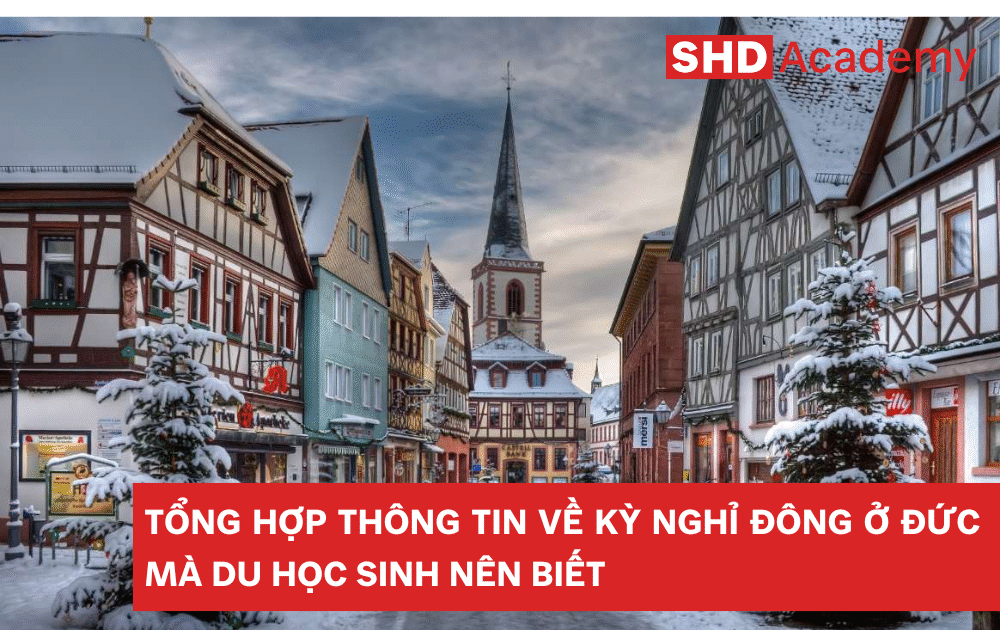
Summary of information about winter break in Germany that international students should know
- 10/06/2025
- Hong Hanh
- News study abroad in Germany
- 1 Comment
Winter holidays in Germany is an exciting time to experience the cold weather and the typical atmosphere of Europe. Snowfall, winter festivals and many outdoor activities make this season memorable for both tourists and international students. Let's join SHD Academy Learn about winter weather in Germany, holiday schedules, popular activities, and tips to help you adapt more easily in the following article!
>> Reference:
- Discover the characteristics of Germany's weather and climate
- General regulations on working hours in Germany that you should know
- What is life like in Germany? Daily life habits of Germans
Weather and atmosphere of winter in Germany
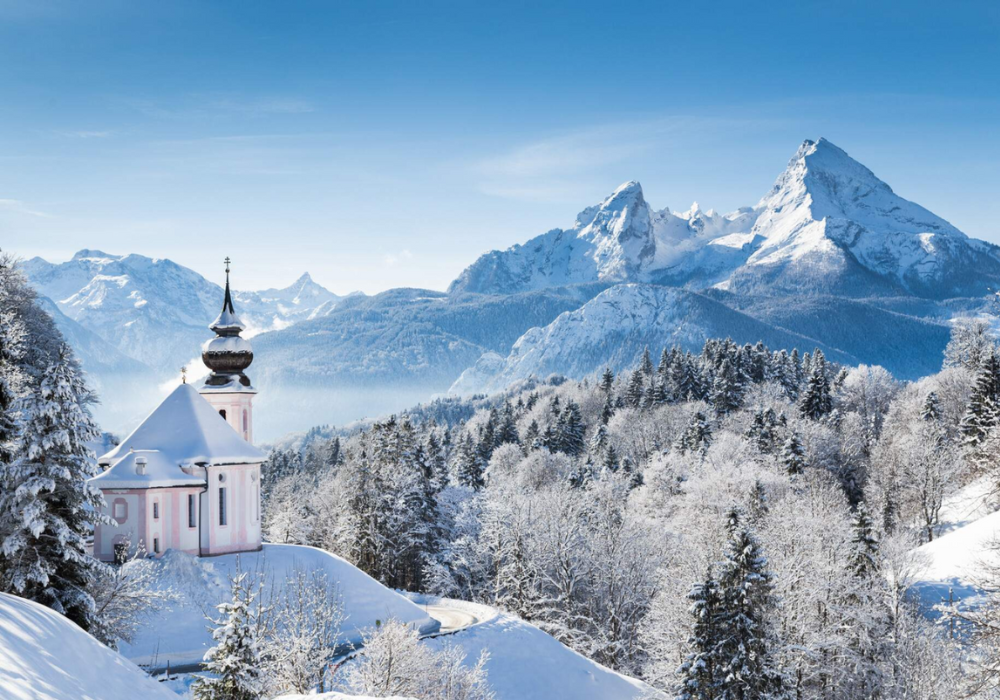
Winter in Germany usually starts in December and lasts until February or early March. During this time, temperatures range from -10°C to 5°C, depending on the region. In the southern regions and high mountain areas such as the Alps, the weather is significantly colder, sometimes falling below -10°C, even reaching -20°C during severe cold spells. Snowfall peaks between December and February, creating a typical German winter scene.
Average winter temperatures in Germany
In winter, the average temperature in Germany ranges from -10°C to 5°C, depending on the region. Southern mountainous areas such as Bavaria or the area near the Alps are often colder, reaching as low as -15°C on the coldest days. Meanwhile, large cities such as Berlin, Frankfurt or Hamburg tend to have more stable temperatures, ranging from -2°C to 3°C throughout the winter.
Snowfall is common in Germany from December to February, creating beautiful winter scenery but can also make it difficult to get around. Early mornings and late afternoons are the coldest times of the day, so tourists and international students often dress warmly with thick coats, woolen hats, and gloves to keep warm. Winter weather is also quite unpredictable, so it is necessary to monitor the weather forecast daily.
>> Reference: German Passport: The Country with the Most Powerful Passport in the World
Winter festivals in Germany
Winter in Germany is the time for many colorful and attractive traditional festivals:
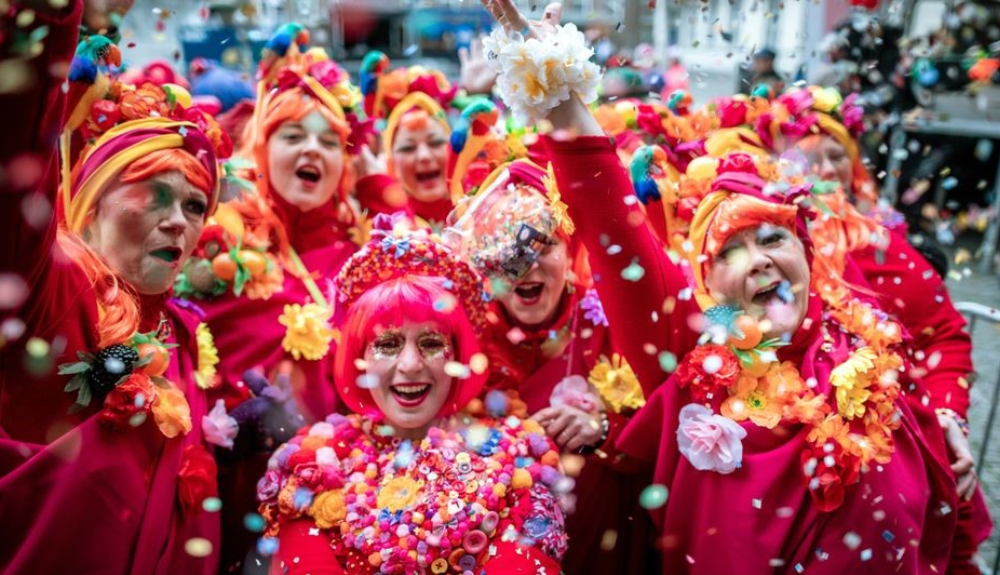
- Karneval Festival in Cologne: This is an event that features grand street parades, where participants dress up creatively and a vibrant atmosphere pervades the area.
- Berlin Light Festival: Taking place from October 12 to 23, the capital Berlin is covered in a magical shimmering look thanks to modern lighting technology, creating a beautiful space that attracts a large number of tourists.
- Reeperbahn Festival in Hamburg: This is Germany's most vibrant music festival, bringing together more than 800 stages in bars, clubs and on the city's famous music boulevards.
>> Reference:
- List of German holidays that international students should know
- Oktoberfest – The world's largest beer festival in Germany
How long is winter break in Germany?
Winter break in Germany usually lasts from mid-December to early January of the following year, but the exact duration may vary depending on the state and school. On average, this break ranges from 2 to 4 weeks. For general schools, the break usually starts around December 20 and ends in the first week of January. For vocational students, the break is more flexible, and can last until the end of January or early February, depending on the school's schedule and exams.
Winter break is not only a time to relax, but also a great opportunity to experience culture.culture, travel and relax after a hard semester. Many international students choose to visit their families, while others stay to explore Germany or neighboring countries. This is also the time when ski resorts, Christmas markets and festivals are at their busiest. If you know how to make the most of the winter break, international students will have the opportunity to recharge their batteries and prepare for a more productive new semester.
>> Reference: Summary of information about self-funded vocational study in Germany
Popular activities during winter break for international students
Winter break in Germany is an ideal time for international students to rebalance their lives and broaden their personal experiences. Some popular winter break activities in Germany include:
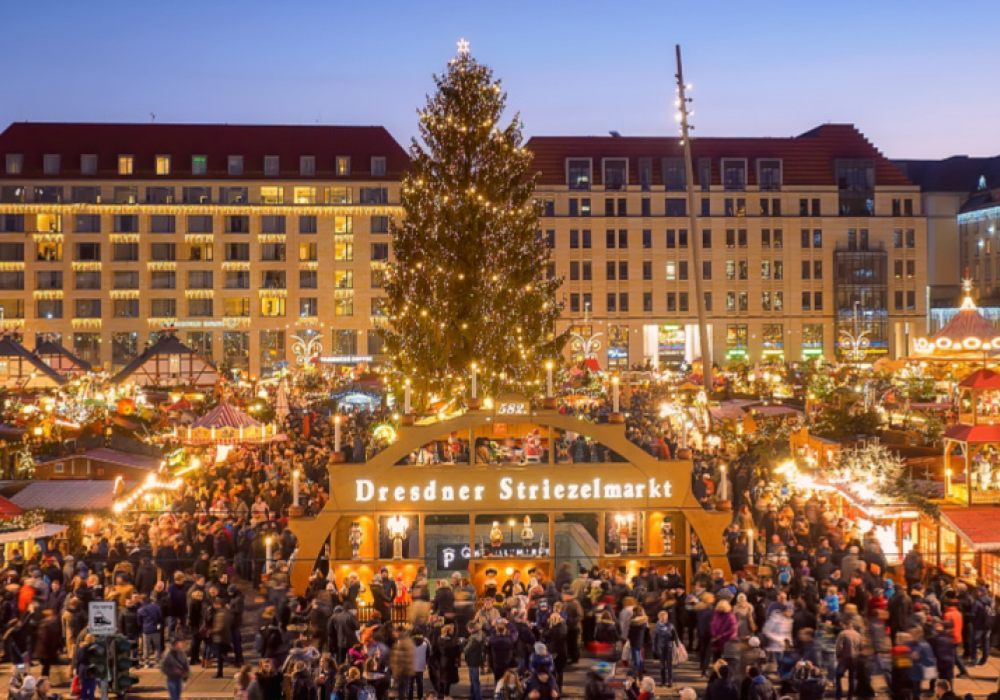
- Visit the Christmas market: German Christmas markets are famous worldwide for their warm atmosphere, colorful stalls and exquisite handicrafts. International students can enjoy mulled wine (Glühwein), German sausages, waffles and winter specialties.
- Travel to explore Europe: Thanks to the convenient transportation system, many international students take advantage of the winter break to explore neighboring countries such as France, Austria, the Netherlands, Switzerland, etc. This is a rare opportunity to experience many different cultures in just one trip.
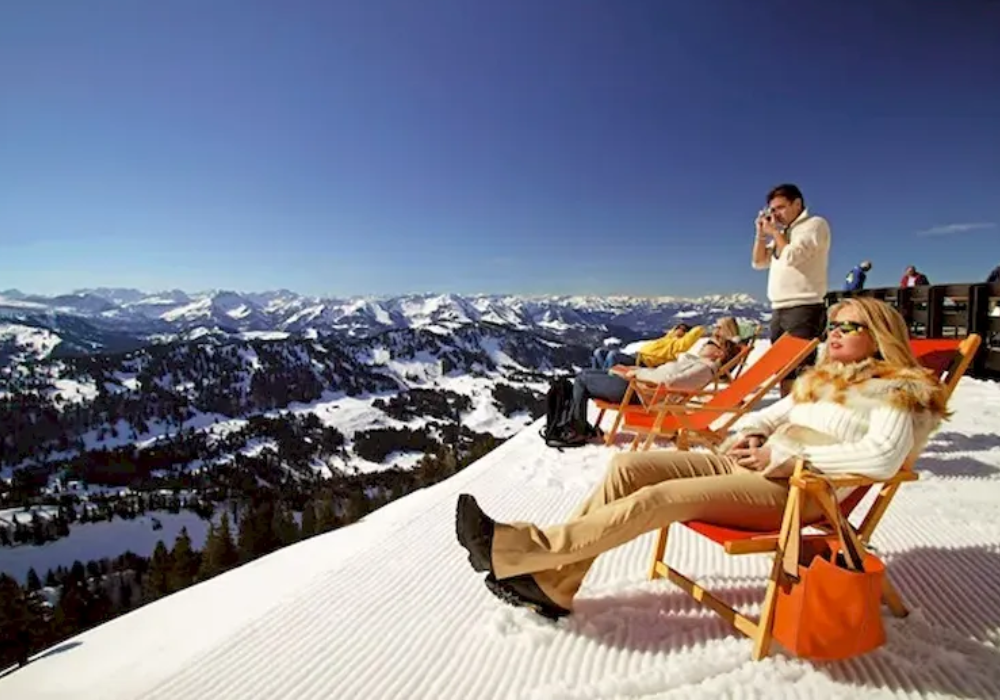
- Participate in winter sports activitiesFor those who love sports, skiing, ice skating or snow climbing are activities not to be missed. Areas such as Garmisch-Partenkirchen or Bavaria have many famous ski resorts.
- Volunteer or work part-time: Some international students choose to participate in short-term volunteer programs or work part-time during the holidays to increase their income and gain experience.
- Learn more skills or review lessons: Besides having fun, many students also take advantage of their break time to learn German, soft skills or prepare for upcoming exams. Studying during this time is easier but still highly effective.
>> Reference: Study and work in Germany: Summary of detailed information
Tips for international students to get through winter in Germany
Winter in Germany can be quite harsh for those who have never experienced cold weather. To get through the winter holidays in Germany comfortably and effectively, international students should take note of the following tips:
- Fully equipped with warm clothes: Down jackets, wool hats, gloves, scarves and waterproof shoes are essential items. In particular, wearing several thin layers will keep you warmer than one thick layer.
- Eat nutritious food and drink plenty of warm water: The body needs more energy to keep warm in cold weather. Therefore, make sure to supplement enough nutrition and water.
- Make use of the daylight: Winter often has little sunlight, which can easily cause a feeling of lethargy. Therefore, try to walk or work near a window to absorb natural light.
- Stay mentally healthy: Winter can easily cause feelings of loneliness and depression. Stay socially connected, attend gatherings, meet friends or call home to stay positive.
Frequently asked questions about winter holidays in Germany
What month does winter last in Germany?
Winter in Germany usually lasts from December to the end of February or early March. However, cold weather can last longer in some mountainous areas or in the southern parts of Germany. The end of winter can vary from year to year due to climate change.
How many degrees in winter in Germany?
Winter temperatures in Germany range from around -10°C to 5°C, depending on the region and the time of year. Mountainous or suburban areas are often colder than larger cities, so it is a good idea to check the weather forecast regularly so you can pack warm clothes when you go out.
>> See more articles about German culture:
- German Flag: Decoding Colors, Meanings and History
- Discover the unique features of traditional German costumes
- Discover German tastes and eating habits
Winter holidays in Germany Not only is it a chance for you to rest, but it is also an ideal time to explore culture, enjoy the festive atmosphere and experience the enchanting white snow season. Therefore, you should take advantage of this time to learn, relax and connect with the international community. If you are planning to study vocational training in Germany or want to learn more about life here, do not hesitate to contact SHD Academy - a reputable German vocational training consultancy unit via hotline: 0336 760 276 or website: https://shdacademy.vn/ for detailed support!


Boost your income easily—join our affiliate network now! https://shorturl.fm/frshD