


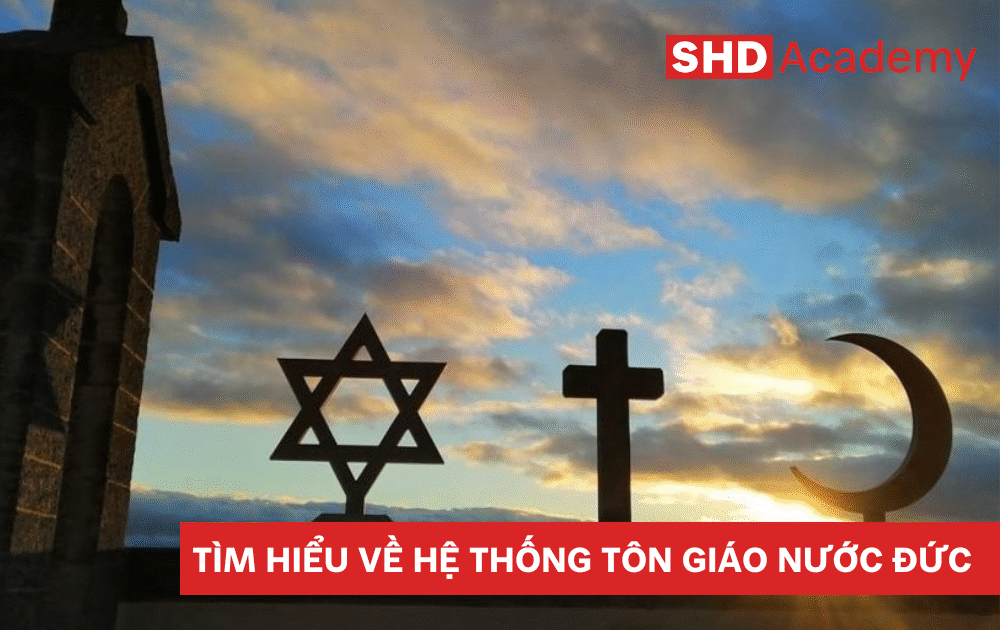
Learn about the German religious system
- 05/06/2025
- Hong Hanh
- Culture
- No Comments
When choosing Germany as a destination for vocational study, learning about German religion is an important step to help you adapt better to the local environment and culture. Religion is not only a part of the spiritual life of the people but also reflects the historical and traditional values of this country. To better understand the religious characteristics of the German people, please join us. SHD Academy Find out more details in the following article!
>> See more:
- Information on German vocational study abroad program 2025 from AZ
- Should I study vocational training in Germany? The truth about vocational training in Germany
- What is life like in Germany? Daily life habits of Germans.
Overview of German Religion
Religion is an inseparable part of the cultural and ideological development of Germany, associated with many periods of historical and social upheaval. In particular, in the 16th century, Germany became the center of the Protestant Reformation with the representative figure of Martin Luther - who initiated the religious reform movement, creating a profound influence in Germany and throughout Europe.
Today, Germany is a multi-religious country with the presence of many different faiths, of which Christianity remains the dominant religion. Approximately 50–551 TP3T of Germany's population follows a religion, mainly Christianity.
In addition, Judaism is one of the oldest religions in Germany, while Islam only began to spread after World War II, mainly due to immigration. Other religions such as Buddhism, Hinduism and other small faith groups are also present but account for a negligible proportion.
>> Reference:
- Discover the characteristics of Germany's weather and climate
- Detailed review of life studying vocational training in Germany

Major religion in Germany
Christianity is the main religion in Germany, accounting for 2/3 of the German population. Christianity includes three main branches:
- Protestantism: about 32%, common in Northern and Eastern Germany.
- Roman Catholicism: about 31.7%, concentrated in Western and Southern Germany.
- Eastern Orthodox Christianity: accounts for a small proportion, about 1.14%.
In addition, there are also a number of small Eastern Orthodox communities, especially those of Eastern European origin. The role of the church in German society is not limited to religion but also extends to the fields of education, health, charity and politics. The church also has the right to collect taxes from its followers through the religious tax system (Kirchensteuer) - a characteristic of the German religious management model.
>> Reference: Map of Germany and interesting information about Germany
Other religions in Germany
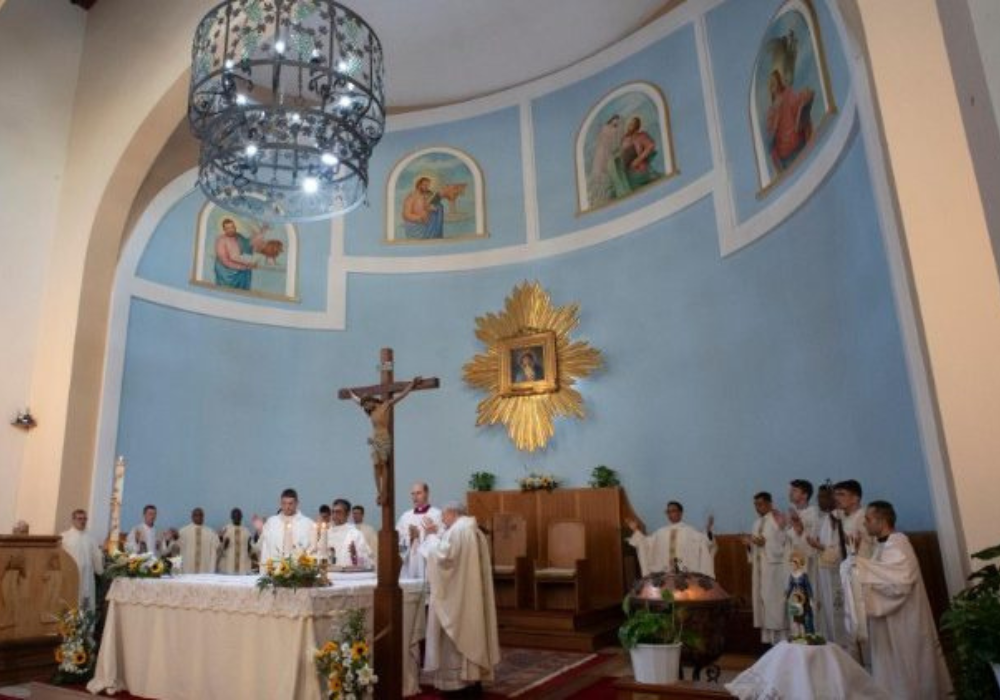
Besides Christianity – the dominant religion in Germany, this country is also home to many different religious minorities. Below are the religions that have a certain influence on the cultural and social life of Germany today:
- Islam: Islam is the third largest religion in Germany, accounting for about 5-61% of the population (equivalent to 4-5 million people). Its followers are mainly immigrants from Türkiye, Syria, Afghanistan and North Africa. Mosques are not only places of worship but also community centers, especially in large cities such as Berlin, Hamburg or Cologne.
- Judaism: There are currently about 100,000 Jews living in Germany. The community declined sharply after World War II but has since recovered thanks to immigration from Eastern Europe. The German state has always prioritized the protection of the rights and safety of the Jewish community, as demonstrated by its policies and Holocaust Memorial Day.
- Buddhism: There are about 250,000 Buddhists in Germany, mainly of Vietnamese, Thai and Chinese origin. Buddhism here does not have a centralized organization but operates as a self-governing community, focusing on practicing meditation and preserving spiritual life.
- Hinduism and Sikhism: Hindus and Sikhs live mainly in large cities such as Hamburg and Munich. Although their numbers are small, they maintain regular religious activities at separate temples and organize unique cultural festivals.
- Other minority religions: Germany also recognizes the presence of faiths such as Bahá'í, Jainism, European folk religions, esotericism, and new forms of spirituality. All are protected by law under the principle of freedom of religion.
>> Reference:
- Discover the unique features of traditional German costumes
- What is Schengen visa? What countries can the Schengen visa go?
The impact of religion on German life and culture
Although religion no longer has absolute control over individual life, it still leaves a deep mark on German ethics, lifestyle and the way society is organized, specifically as follows:
On ethics and society
Religion has a profound influence on German values. Although many people no longer practice their religion regularly, principles such as honesty, responsibility, respect for individual rights and community spirit are still maintained – many of which are rooted in Christian ethics. Major holidays such as Christmas and Easter remain official holidays, solemnly celebrated by both religious and non-religious communities.
About business culture
Religion also indirectly influences the German work culture. Values such as punctuality, discipline, transparency and trust are highly valued in the business environment – these are qualities that have their roots in the Protestant tradition. Furthermore, the religious tax system and the church’s involvement in education and health care also reflect the close relationship between religion and social governance, creating a stable ecosystem for international workers and students.
Religion in festivals and holidays in Germany
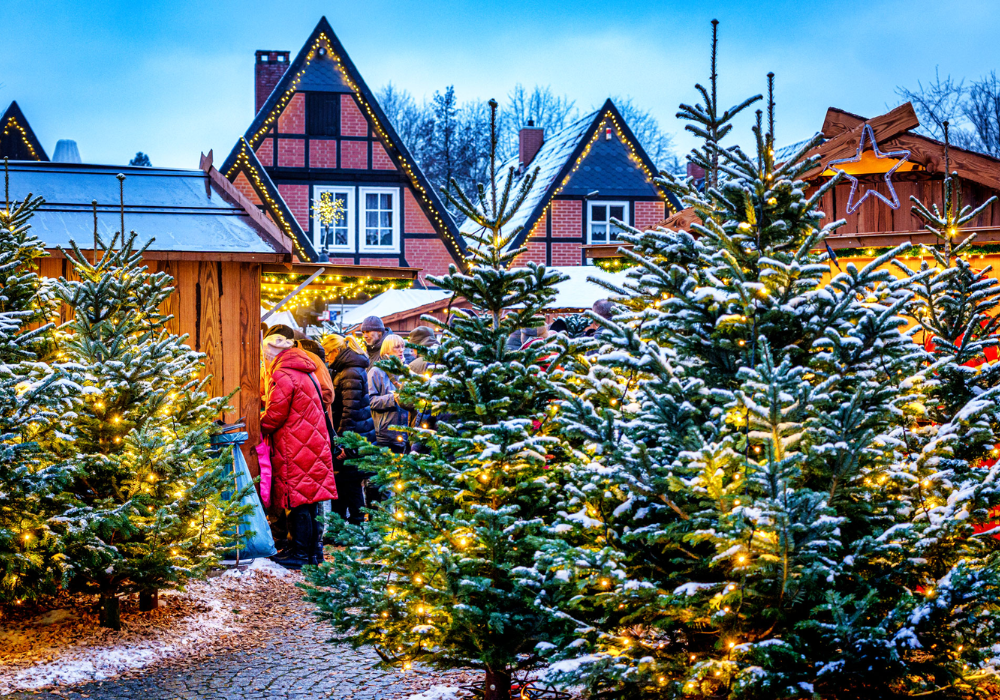
Religion has a major influence on the holiday calendar and cultural events in Germany. Many official holidays in Germany are rooted in Christian traditions, especially Catholic and Protestant. Some notable holidays include:
- Christmas (Weihnachten): Taking place on December 24–26, it is the biggest holiday of the year with a festive atmosphere. People often gather and give gifts to each other.
- Easter: usually in March or April, commemorates the resurrection of Jesus.
- Ascension Day, Trinity Day, and Pentecost (Pfingsten): are all important holidays in the Protestant and Catholic calendars.
- All Saints' Day (Allerheiligen): A holiday in many Catholic states, it falls on November 1.
In addition, some festivals with folk religious colors are also held periodically such as Oktoberfest Beer Festival (associated with St. Michael's Day), St. Martin Lantern Festival... This shows that German religion not only personal faith but also an element closely linked to the cultural life of the German community.
>> Reference:
- List of German holidays that international students should know
- General regulations on working hours in Germany that you should know
Some frequently asked questions about religion in Germany
What religion do most Germans follow?
The most populous religion in Germany is Christianity, which includes two main branches, Protestantism (Evangelisch) and Roman Catholicism (Katholisch). As of 2023, each group accounts for approximately 25–271% of the German population.
What does Christianity worship?
Christianity is a monotheistic religion, worshiping only one God. It believes that God exists in three persons: God the Father (creator of the universe), God the Son (Jesus Christ – savior), and God the Holy Spirit (divine power at work in the world). The most sacred symbol of Christianity is the Cross, which represents Jesus’ sacrifice for the salvation of humanity.
>>> See more:
- What is the age to study vocational training in Germany in 2025?
- Which vocational training major in Germany should you choose for high salary in 2025?
Research German religion is the key to help you integrate faster when studying abroad. From the diversity of beliefs to the impact on social and economic life, religion is an indispensable factor in the overall picture of modern Germany. To better understand Culture or life when studying abroad in Germany, don't forget to visit the section News and Culture of life in Germany belong to SHD Academy to update more useful information!


